Cut Basic White Base at 5 ½” x 8 ½”, score at 4 ¼”
Cut Designer Series Paper at 4” x 5 ¼”
Cut Basic White Strip at 2 ¼” x 3 ½”
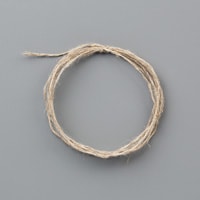
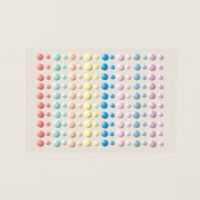
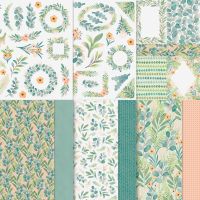
Layer DSP onto Card Base, then cut Basic White into a bottom flag and stamp greeting toward the top of the flag layer and adhere to DSP layer. Tie linen thread into a large bow and adhere onto the swag piece (ephemera) from the Frames & Flowers DSP. Pop up the swag with dimensionals. Add dot embellishments and this card is ready for its birthday recipient!
Creating copper and chrome looks with Stampin' Blends alcohol markers can add a stunning metallic flair to your artwork and crafts. These markers, known for their vibrant colors and seamless blending capabilities, offer a fantastic medium for mimicking the sheen and depth of metallic finishes.
Here’s a video guide to help you achieve these effects:
Practice and experimentation are key to mastering these techniques. Varying pressure and layering different shades can produce unique results, allowing you to refine the metallic effects further. With patience and creativity, your Stampin' Blends alcohol markers can transform any project with the rich elegance of copper or the sleek, modern look of chrome.
Creating Stampin’ Up! cards can be a delightful and fulfilling hobby, especially when you use a sketch for inspiration. A sketch (found in the Stampin’ Up! Annual Catalog) , in the context of card making, is a pre-designed layout that provides a basic framework for your card. It typically includes the placement of different elements such as the focal image, sentiment, and embellishments. Utilizing a sketch not only helps streamline the creative process but also ensures that your final product has a balanced and aesthetically pleasing design.
One of the key benefits of using a sketch is that it offers a starting point, which can be particularly helpful if you experience creative block. Instead of staring at a blank canvas, you can focus on selecting the materials and embellishments that fit within the predefined layout. This allows you to channel your creativity into the details, such as choosing color schemes, textures, and themes that best express your message. Moreover, sketches can be adapted and personalized; you can rotate, flip, or modify them to suit your style or the occasion for which you are making the card.
Furthermore, using sketches can also enhance your skills over time. As you experiment with different sketches, you’ll start to understand the principles of design better, such as balance, contrast, and focal points. You might also discover new techniques and materials that you enjoy working with. Whether you are a novice or an experienced card maker, incorporating sketches into your process can be both inspiring and educational, ultimately leading to the creation of beautiful, heartfelt cards that bring joy to both the maker and the recipient.
Cut Basic White Base at 11” x 4 ¼””, score at 5 ½”
Cut Cajun Craze Layer at 5 ¼” x 4”
Cut 2 Piece of DSP at 1 ¼” x 1 ¼” and 4 Pieces of DSP and 1 Basic White Cardstock at 1 ¼” x 2 ½”
Adhere the small squares on opposite corners of the Cajun Craze Layer and then Adhere other 4 DSP Pieces to make a frame for the stamped greeting. Adhere your stamped greeting with Stampin’ Dimensionals. Finish with Embellishments and/or Ribbon and your card is ready for its recipient.




.png)
.png)


%202.PNG)


